
 |
 |
 |
 |
 |
 |
 |
 |

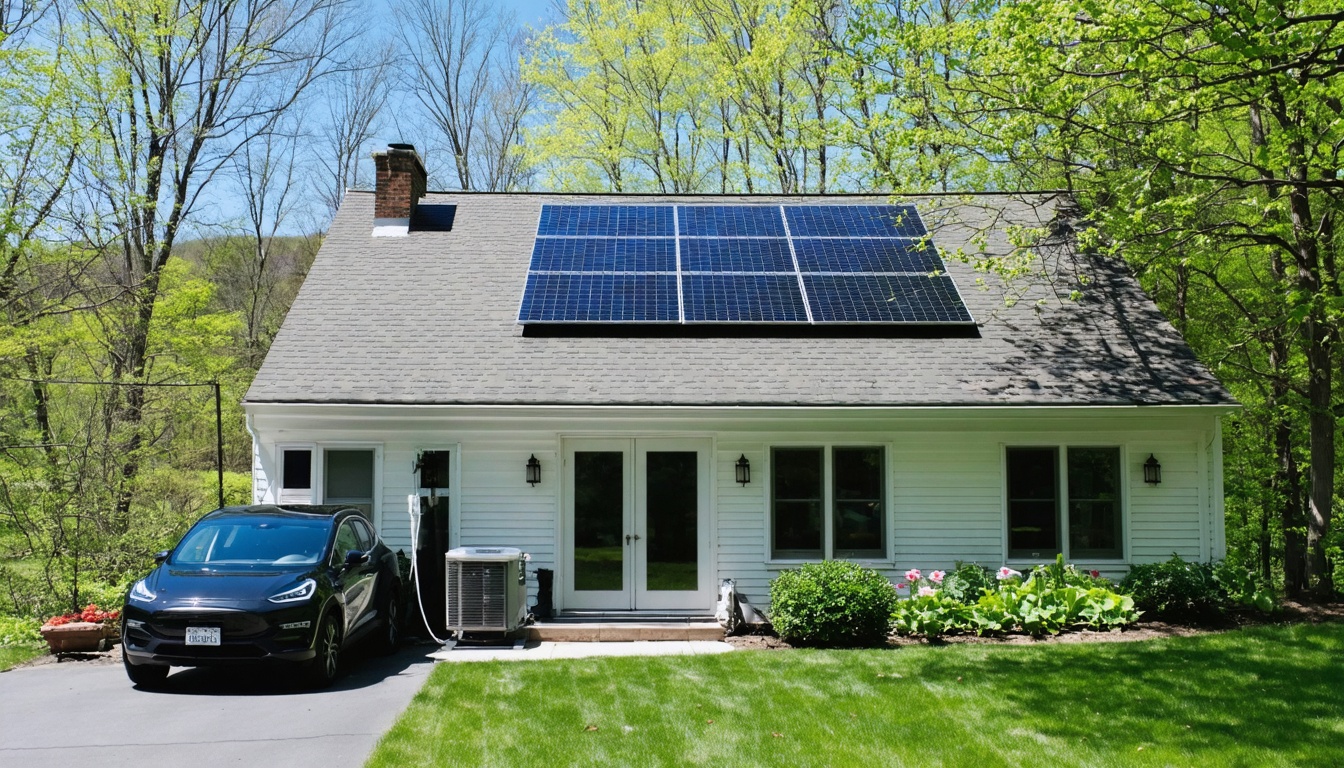
What a More Resilient Home Energy Plan Looks Like in Virginia
As Virginia faces a changing energy landscape, homeowners should consider how to adapt their energy strategies to address rising costs, increasing frequency of weather-related disruptions, and a growing emphasis on renewable energy sources. To create a resilient home energy plan, it is important to integrate effective policies, advanced technologies, and community initiatives. Understanding that energy costs can fluctuate is key. Homeowners in Virginia should evaluate their energy consumption patterns and explore options such as energy efficiency upgrades, which can reduce overall usage and costs. Additionally, investing in renewable energy technologies, such as solar panels, can provide a more stable and potentially lower-cost energy source over the long term. Moreover, community-driven initiatives are becoming significant in enhancing local energy resilience. Collaborative efforts in areas such as community solar projects or energy cooperatives can provide homeowners with access to renewable resources while promoting cost-sharing and mutual support. In summary, a well-prepared energy plan in Virginia should focus on adaptability and integration of emerging technologies and policies, aiming not only for cost reduction but also for a sustainable and reliable energy future. By actively engaging in these changes, homeowners can contribute to a more resilient energy system.
Energy Plan Objectives and Long-Term Vision
The 2026 Virginia Energy Plan establishes a framework for transitioning to a net-zero carbon energy economy by 2045, with attention to resilience and affordability for citizens. It sets several primary objectives, which include reducing carbon emissions, expanding demand flexibility initiatives, and facilitating improvements in home energy efficiency, such as air sealing and insulation for customers of Appalachian Power and similar entities.
The Plan emphasizes the importance of research and measures aimed at reducing costs to enhance residential energy efficiency. The intent is to stimulate economic activity while simultaneously addressing environmental issues.
A notable component of the Plan is Virginia's return to participation in the Regional Greenhouse Gas Initiative (RGGI), which is expected to generate revenue that may assist low-income customers with necessary energy upgrades and promote increased energy savings.
In summary, the 2026 Virginia Energy Plan provides a comprehensive strategy for energy management that connects environmental sustainability with economic development while prioritizing accessible solutions for residents.
Opportunities for Public Participation and Stakeholder Feedback
Virginia's energy future is being shaped through a public input process initiated by state officials. This process is designed to gather feedback from residents, businesses, and community leaders regarding the proposed 2026 Virginia Energy Plan. Participants can engage by completing surveys, attending regional meetings, or joining industry-specific virtual sessions.
Public contributions are being sought in several key areas, including energy efficiency measures in residential settings, demand flexibility programs, enhancements in home air sealing, and support mechanisms for customers encountering energy-related challenges.
The Governor's office has stated that stakeholder feedback is essential for improving affordability, optimizing potential savings, and reducing carbon emissions.
As many Virginians are experiencing the impact of current energy policies, the feedback collected during this process is expected to inform decisions that affect the state's energy landscape.
It is important for participants to provide their perspectives to ensure that initiatives, such as those related to Appalachian Power and the Regional Greenhouse Gas Initiative (RGGI), are responsive to community needs.
Timeline for Policy Development and Implementation
From June to September 2026, Virginia will initiate a critical phase in its energy policy as officials actively seek public input for the forthcoming energy plan.
To facilitate this, an online survey will be accessible until July 31, allowing residents to express their views on energy usage, conservation strategies, and priorities. The Governor, in collaboration with Appalachian Power and various industry stakeholders, will host both regional and virtual sessions aimed at exploring potential upgrades, efficient solutions, and methods to better support residents.
The research and engagement activities conducted during this summer timeframe will inform the creation of programs aimed at enhancing residential energy efficiency. These programs will likely include measures focused on air sealing and demand flexibility.
The primary objectives of these initiatives are to improve energy affordability, reduce carbon emissions, and ensure adherence to the Regional Greenhouse Gas Initiative. The results from this policy development process will significantly influence Virginia's energy framework in subsequent years, shaping future energy strategies and initiatives.
Legal Framework and State Policy Alignment
Virginia's energy plan operates within a structured legal framework that aligns with state legislation and strategic objectives set forth in recent laws. The Code of Virginia facilitates public participation in energy policymaking, thereby encouraging community engagement in energy-related matters.
Important elements of this plan include the mandates from the Virginia Clean Economy Act and the Regional Greenhouse Gas Initiative (RGGI). These regulations specify requirements related to energy consumption, demand-side management initiatives, and necessary upgrades in residential energy efficiency, including measures like air sealing.
The administration is concentrating on enhancing support systems and conducting research to help households achieve greater energy efficiency and realize cost savings.
The framework outlines three primary objectives: advancing clean energy goals, ensuring consumer affordability, and minimizing greenhouse gas emissions. Various programs, including those offered by Appalachian Power, are crucial components of this strategy. They reflect an intention to tackle the economic obstacles faced by residents of Virginia while supporting the transition toward a more sustainable energy landscape.
Strategies to Address Rising Energy Costs
In Virginia, rising energy costs have become a significant concern, particularly impacting low-income households. The 2026 Energy Plan outlines various strategies aimed at enhancing energy efficiency, which include upgrading insulation, optimizing HVAC systems, and implementing air sealing measures. These initiatives are estimated to enable residents to reduce their winter energy expenditures by as much as $1,400.
The decision to rejoin the Regional Greenhouse Gas Initiative (RGGI) also aims to strengthen programs focused on improving home energy efficiency. This initiative involves a funding commitment of $413 million, intended to enhance financial support for residents and facilitate better energy management, potentially leading to cost savings.
Additionally, the implementation of demand flexibility programs allows consumers to modify their energy consumption during peak summer hours. This approach not only aims to decrease carbon emissions but also helps to alleviate the infrastructure costs related to energy delivery.
Research indicates that these upgrades can have a meaningful impact on both the economy and energy affordability for residents.
For individuals seeking to engage in ongoing efforts to improve energy efficiency, programs are available through Appalachian Power.
Legislative Actions Supporting Low-Income Households
Virginia lawmakers have enacted legislative measures to assist low-income households facing increasing energy costs. Key bills, including HB2 and SB253, have been introduced with the objective of expanding access to programs that provide no-cost energy upgrades, air sealing enhancements, and bill assistance through the year 2038.
Additionally, Appalachian Power has initiated new programs aimed at improving energy efficiency among its customer base. These include flexibility programs and virtual power plant initiatives designed to help customers manage their energy consumption more effectively, which may contribute to reduced costs, particularly during peak usage periods in the summer.
Furthermore, the Governor's plan incorporates directing future revenues from the Regional Greenhouse Gas Initiative (RGGI) towards initiatives focused on enhancing home energy efficiency and addressing affordability issues for Virginia residents.
The overarching goal of these legislative actions is to bolster economic resilience while also working towards reducing carbon emissions.
For individuals seeking further insights into these initiatives and their potential effects, additional information is available upon request.
Role of the Regional Greenhouse Gas Initiative
Rejoining the Regional Greenhouse Gas Initiative (RGGI) provides Virginia with a systematic framework for decreasing emissions in its power sector while also promoting energy resilience.
The initiative allows the state to allocate funds raised from carbon allowances towards programs focused on enhancing energy efficiency in residential buildings. These programs typically enable improvements such as air sealing and demand response strategies, which aim to optimize energy consumption while keeping costs manageable for households.
The main goal of these initiatives is to support consumers, particularly during periods of high demand, such as summer months, by helping them realize cost savings and improving their living conditions.
Research indicates that reinvesting RGGI revenue back into local communities can yield economic benefits, which may include job creation and advancements in sustainable development practices. Additionally, these efforts contribute to building a more robust energy future for Virginia.
For additional details or updates, stakeholders may consult Appalachian Power’s Blog.
Advancing Access to Solar and Renewables
Recent changes in Virginia's energy policy have established a framework that aims to improve access to clean energy sources, including Renewable Solar Energy in Virginia and other renewables. Key developments include enhanced support for shared solar initiatives and reforms to the permitting process that seek to improve efficiency and reduce costs for households.
The Virginia Energy Plan, shaped by empirical research and guidance from the Governor's office, is oriented toward achieving net-zero carbon emissions in the future. Financial support from the Regional Greenhouse Gas Initiative (RGGI) is available for home energy improvements, such as air sealing and general efficiency upgrades. These programs could lead to cost savings for households while also contributing to broader economic resilience.
Additionally, there is an increasing interest in demand flexibility programs offered by Appalachian Power. These programs provide residents with various energy management options.
For those seeking more information about these initiatives, it is advisable to reach out directly for specific details.
Enhancing Grid Reliability with Technology Solutions
Virginia is actively working to increase access to clean energy while enhancing the reliability and resilience of its electrical grid through the implementation of various technology solutions. Recent legislation permitting the establishment of virtual power plants allows both households and businesses to contribute to maintaining a balanced energy supply. This initiative is aimed at improving overall grid reliability and generating cost savings for consumers.
Key investments are being directed toward energy storage systems and the modernization of existing infrastructure, which are essential for achieving these objectives.
Furthermore, programs designed to encourage demand flexibility aim to lower carbon emissions, especially during peak consumption periods in the summer. These efforts coincide with Virginia’s re-engagement in the Regional Greenhouse Gas Initiative (RGGI), a program that seeks to curtail greenhouse gas emissions through market-based strategies.
In addition, support programs for energy efficiency upgrades, such as air sealing improvements, are evolving as part of this comprehensive strategy. These initiatives demonstrate Virginia's intention to promote a sustainable energy future, aligning with both the operational goals of Appalachian Power and the state's broader economic aims.
Overall, the integration of technology and clean energy solutions is being strategically pursued to establish a more reliable and environmentally responsible electrical grid.
Affordability and Consumer Protections in Energy Policies
Virginia's recent energy policies concentrate on affordability and consumer protection, particularly in response to rising utility costs for residents. Legislative measures such as HB1144 and HB1002 are designed to assist consumers by providing payment assistance and establishing protections against service disconnections.
Additionally, programs that are funded through proceeds from the Regional Greenhouse Gas Initiative (RGGI) aim to enhance energy efficiency in homes, facilitating improvements such as air sealing and other upgrades.
These initiatives are intended to help consumers decrease their energy consumption, thus potentially leading to lower utility bills. Moreover, they contribute to the creation of a more resilient energy framework for the future.
The expansion of summer demand flexibility programs, in conjunction with initiatives from Appalachian Power, aims to provide further savings opportunities for consumers.
In light of the financial difficulties that many Virginians encounter, these policies are specifically designed to improve home efficiency, increase affordability, and support efforts to lower carbon emissions.
In doing so, they may also positively impact the overall state economy by fostering a more sustainable energy landscape.
Conclusion
A resilient energy plan is critical for ensuring reliable and affordable power for households and communities, especially in the context of fluctuating energy costs and variable weather patterns. Current initiatives in Virginia include the implementation of new policies that support the integration of smarter technologies, as well as an emphasis on renewable energy sources and energy efficiency measures. Participating in these initiatives can contribute to a more sustainable energy future for the state. Involvement can take various forms, including providing feedback on public policies and engaging in personal energy-saving actions. Such contributions aid in strengthening the overall resilience of the energy system, which is essential for community well-being and aligns with Virginia's clean energy objectives. The strategic direction of Virginia’s energy policies, alongside advancements in technology, aims to enhance the state’s ability to manage energy demands while mitigating the impacts of climate change. This approach is grounded in factual analysis rather than speculative predictions, focusing on established methods that could assist in achieving the state's long-term energy goals.
| Sponsors |