
 |
 |
 |
 |
 |
 |
 |
 |

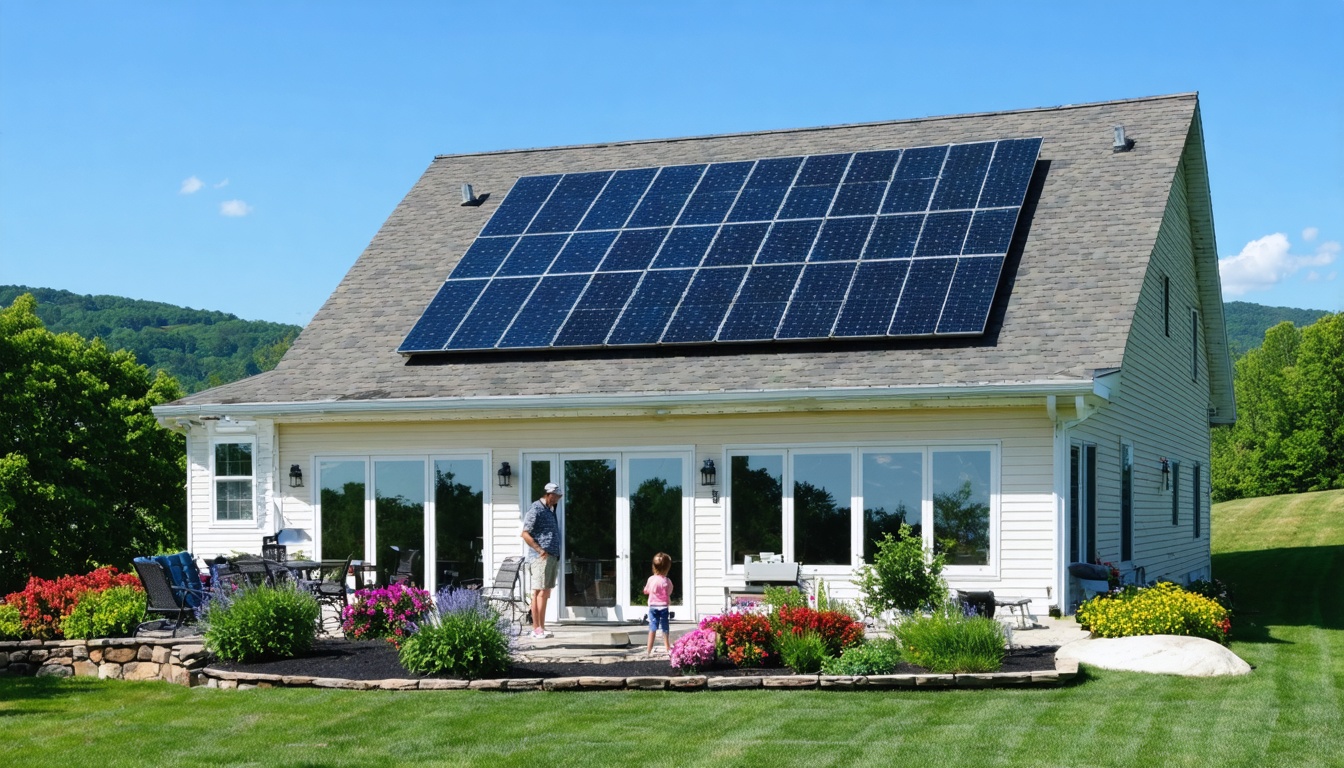
How Pennsylvania Homeowners Can Make the Most of Their Solar Potential
If you are a homeowner in Pennsylvania, considering solar power can be a practical approach to reducing your energy bills while also making a long-term investment. To effectively evaluate this option, it is important to assess several factors systematically. First, analyzing your roof's sun exposure is crucial. A roof that receives adequate sunlight is more likely to be suitable for solar panels. Factors such as the orientation, angle, and potential shading from trees or nearby structures can significantly affect energy production. Next, understanding the various financial incentives available in Pennsylvania can influence your decision. Options may include state and federal tax credits, rebates, and grants designed to make solar installation more affordable. Researching these incentives can provide a clearer understanding of the potential savings over time. Additionally, it is important to familiarize yourself with local regulations and any necessary permits for solar installations. Compliance with zoning laws and building codes is essential to ensure a successful and legal setup. Finally, it may be beneficial to compare different solar providers and their offerings, considering the cost, installation quality, and customer service records. This comparison can help identify the best solution that aligns with your energy needs and budget. In summary, making an informed decision about solar power in Pennsylvania involves careful consideration of sun exposure, financial incentives, regulatory requirements, and provider comparisons. Each of these elements contributes to the feasibility and potential benefits of solar energy for your home.
Assessing Your Property’s Solar Suitability
Before investing in solar panels, it is essential to evaluate the characteristics of your property that may impact its solar potential. Begin by assessing the age and condition of your roof. If it is nearing the ten-year mark for replacement, it may be advisable to postpone solar panel installation to prevent incurring additional expenses related to roof replacement shortly after installing solar technology.
In Pennsylvania, resources such as https://solarpanelspennsylvania.com/ and local government agencies can offer useful information, including guides, reports, and directories of qualified solar professionals. Solar calculators, like Project Sunroof, can assist in estimating the average solar exposure your property receives, contributing to a more accurate assessment of its solar viability.
If your roof is found unsuitable for solar panel installation, consider alternatives such as ground-mounted systems or other renewable energy technologies.
Effective planning is important; understanding factors like grid access, local zoning regulations, and net metering policies can significantly impact the feasibility and configuration of your solar energy project. By taking these steps, you can approach solar energy implementation methodically.
Evaluating Costs and Available Financing Options
When assessing the costs associated with installing a solar system for residential use in Pennsylvania, installation prices generally fall between $12,835 and $17,365. The average investment for homeowners is about $15,100.
To alleviate some of these upfront expenses, homeowners can take advantage of the federal investment tax credit, which is currently 30% due to the provisions of the Inflation Reduction Act.
Several financing alternatives exist to cater to varying financial capabilities. These options include outright cash purchases, solar loans, and leasing agreements. Moreover, homeowners have the potential to earn income through Solar Renewable Energy Certificates (SRECs), which are based on the amount of electricity their solar system generates annually.
It is recommended that homeowners familiarize themselves with Pennsylvania's Net Metering policies, land-use regulations, and specific local municipality guidelines when planning solar rooftop installations.
Additionally, consulting official state resources can yield a comprehensive compilation of available options and financial incentives related to solar energy.
Understanding Pennsylvania Solar Incentives
If you are considering solar installation for your home in Pennsylvania, it is important to understand the various incentives that can improve the economic viability of such a project. The Inflation Reduction Act currently provides a federal investment tax credit of 30%, which can lower the initial costs associated with solar installations.
In addition, Pennsylvania has implemented a Solar Renewable Energy Credit (SREC) program. This program allows homeowners to accumulate credits for each 1,000 kWh generated by their solar systems. These credits can be sold through state Board directories or via resources available on Pennsylvania’s official website, potentially generating revenue to help offset installation costs.
The state's Net Metering policy is another beneficial aspect, as it enables homeowners to receive credits for any surplus energy produced by their solar systems that is sent back to the grid. This can aid in reducing overall energy expenses, particularly during periods of high energy production.
Lastly, it is advisable to investigate various financing options and any additional incentives that may be offered by local municipalities or utility companies. Exploring these options can contribute to enhancing the financial return on your investment in solar technology, thereby making it a more feasible choice for homeowners in Pennsylvania.
Selecting a Qualified Contractor
Selecting a qualified contractor is a necessary step in ensuring the successful implementation of a solar project in Pennsylvania. Potential clients should utilize resources such as the North American Board of Certified Energy Practitioners Directory and the Pennsylvania Solar Center's official website to identify qualified contractors.
Reviewing references, project reports, and a portfolio of completed rooftop solar installations can provide insight into the contractor's qualifications and experience. It is essential to evaluate each contractor's familiarity with critical components of the solar industry, including Net Metering, Solar Renewable Energy Certificates (SRECs), and financing options.
Understanding available tax incentives, such as the federal investment tax credit and provisions from the Inflation Reduction Act, can also impact the financial feasibility of the project. Moreover, it is important to verify that the contractor is knowledgeable about local regulations, including land use and environmental protection standards, as compliance with these regulations is crucial for project approval.
Conducting a thorough comparison of cost estimates, project planning details, and access to alternative energy resources linked to the electric grid can enhance resource efficiency and optimize energy investments. Considering these factors can play a significant role in determining the viability and sustainability of a solar project.
Navigating Permitting and Interconnection Requirements
Navigating the permitting and interconnection requirements for solar energy installation is an important step for homeowners in Pennsylvania. Initially, homeowners should examine their municipality’s specific regulations concerning building and zoning permits for rooftop solar installations. The costs of these permits can vary, generally ranging from several hundred dollars to potentially exceeding $1,000, depending on local regulations and project specifications.
After securing the necessary permits, the next phase involves submitting an interconnection application to the local electric utility. This application is essential for connecting the solar energy system to the electrical grid and requires comprehensive specifications about the system for evaluation by the utility provider.
Homeowners seeking additional guidance can reference the official website directory, which offers resources on various topics, including electrical protection measures, land use considerations, financing options, Solar Renewable Energy Certificates (SRECs), tax credits, and net metering policies.
It is advisable for homeowners to engage in thorough planning early in the process to mitigate potential delays. Additionally, aligning the installation timeline with the availability of federal tax incentives for solar energy systems can facilitate smoother compliance and a more efficient transition to solar energy.
Installation Timeline and Expectations
The installation of solar panels follows a structured planning phase, which typically lasts several weeks. This phase includes obtaining necessary permits from local authorities and completing interconnection applications.
Once these steps are completed, the installation itself can be accomplished in a relatively brief period, often taking between one to three days.
In Pennsylvania, the costs associated with solar panel installation can differ based on various factors. However, federal tax credits and provisions from the Inflation Reduction Act are available, potentially lowering the overall expenses by several hundred dollars.
It is important to consider the subsequent steps required after installation, such as inspections and the process of connecting to the electrical grid.
When choosing a contractor for a rooftop solar system, it is advisable to select one listed in recognized directories. This ensures that the contractor has the necessary experience in key areas such as Waste and Water Protection, Solar Renewable Energy Certificates (SRECs), Net Metering, and compliance with local Land Use regulations.
Selecting a qualified contractor is important for both the efficiency of the installation process and adherence to regulatory requirements.
Maintaining Your Solar System
Solar panels are known for their durability and can generate energy effectively for several decades with relatively low maintenance requirements.
For homeowners in Pennsylvania, it is recommended to inspect solar panels biannually to identify any debris or water buildup that might impede energy production. If homeowners prefer not to conduct these inspections themselves, they can find certified cleaning services through local directories or official websites.
To enhance system performance, monitoring applications are accessible, allowing homeowners to observe their solar systems’ efficiency and address any potential issues promptly.
Consistent maintenance not only improves energy efficiency but also reduces waste, which can lead to cost savings and contributes to environmental sustainability. The cost for standard maintenance checkups typically ranges from a few hundred dollars, which can help safeguard the investment in solar energy systems over the long term.
Thus, regular inspections and performance monitoring are practical strategies for effective solar panel maintenance.
Consumer Rights and Protection Resources
Navigating solar installation in Pennsylvania requires awareness of local regulations and available consumer resources. Since there is no statewide Solar Access Law, it is important to refer to the specific Land Use guidelines and grid connection options of your municipality.
The official government website includes a directory and a series of reports that cover essential topics such as financing options, costs, and available tax credits, particularly those introduced by the Inflation Reduction Act and federal investment tax credits.
Additionally, consumer protection resources can be found through organizations like the Interstate Renewable Energy Council (IREC) and the Solar Energy Industries Association (SEIA), which provide relevant guidelines and protections related to solar installations.
For individuals considering solar energy systems, organizations such as Solar United Neighbors and the National Renewable Energy Laboratory (NREL) can clarify the installation process.
It is also critical to evaluate net metering and Solar Renewable Energy Certificates (SRECs) during project planning, as these factors can significantly impact the overall effectiveness and financial viability of the solar installation. Careful consideration of these elements is essential for making informed decisions regarding solar energy in Pennsylvania.
Conclusion
To effectively evaluate solar energy options for your home in Pennsylvania, it is important to conduct a thorough assessment of your roof’s solar potential, understand the associated costs, and consider the state’s available incentives. Evaluating the orientation and shading of your roof can help determine its suitability for solar panel installation. Financially, it is essential to analyze installation costs and potential savings on electricity bills, as well as any initial investments needed for equipment and labor. Pennsylvania offers several incentives, including rebates and tax credits, which can substantially impact the overall cost of solar energy systems. Selecting a qualified contractor is crucial, as their expertise can influence both the quality of installation and compliance with local building codes and regulations. Furthermore, staying informed about any ongoing maintenance requirements is key to ensuring the longevity and efficiency of the solar system. With adequate planning and research, homeowners can not only lower their utility expenses but also enhance their property value and contribute to environmental sustainability efforts in the region.
| Sponsors |